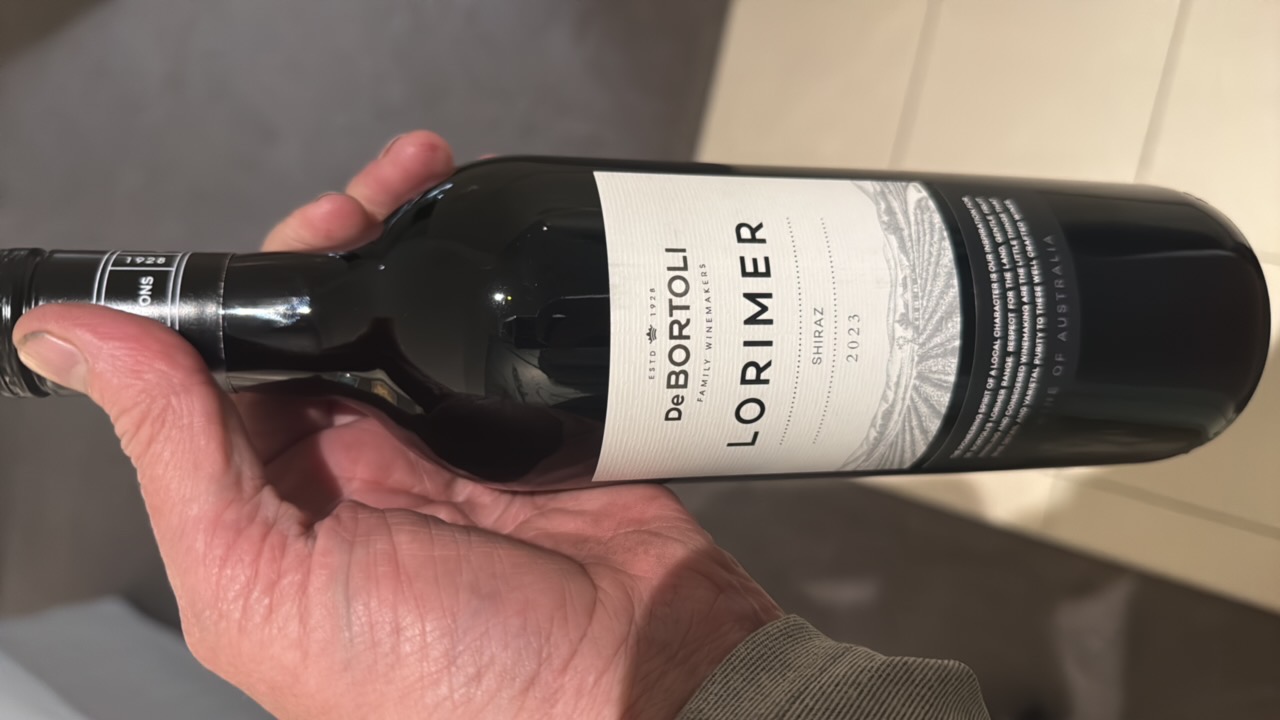
On De Bortoli's official history page, De Bortoli Family is mentioned 0 times. The brand tells a story of Australian origin while the corporate reality is carefully omitted.
Founded in 1928 in Bilbul, New South Wales by Italian immigrants Vittorio and Giuseppina De Bortoli, the winery began as a small family operation during the Great Depression. The family survived the collapse of wine prices by selling grapes and bulk wine before building their bottled wine business. Their breakthrough came in 1982 when winemaker Darren De Bortoli created Noble One Botrytis Semillon, which became one of Australia's most awarded wines. Now in its fourth generation of family ownership, with Darren, Leanne, Kevin and Victor De Bortoli running operations, the company has expanded to over 300 wines while maintaining complete family control. They've never sought external investment or entertained acquisition offers from the multinationals circling Australia's wine industry.
No deception tactics employed. The family's involvement is prominently featured across all communications, their Italian-Australian heritage is authentically represented, and the company's private ownership structure is openly discussed. They're refreshingly straightforward about being exactly what they appear to be.
Profits remain entirely within Australia and within the De Bortoli family. The company reinvests in Australian vineyards, employs Australian workers, and pays taxes locally. No dividends flowing to offshore parent companies or private equity funds in the Cayman Islands.
Purchasing De Bortoli directly supports Australian agriculture, regional employment in the Riverina, Yarra Valley, King Valley and Hunter Valley, and a genuinely independent family business. Your money stays in the Australian wine ecosystem rather than subsidising multinational beverage conglomerates.
De Bortoli is itself the gold standard for independent Australian wine. Similar family-owned alternatives include Tyrrell's Wines (Hunter Valley, sixth generation), Henschke (Eden Valley, sixth generation), and Brown Brothers (King Valley, fourth generation). All remain stubbornly independent.