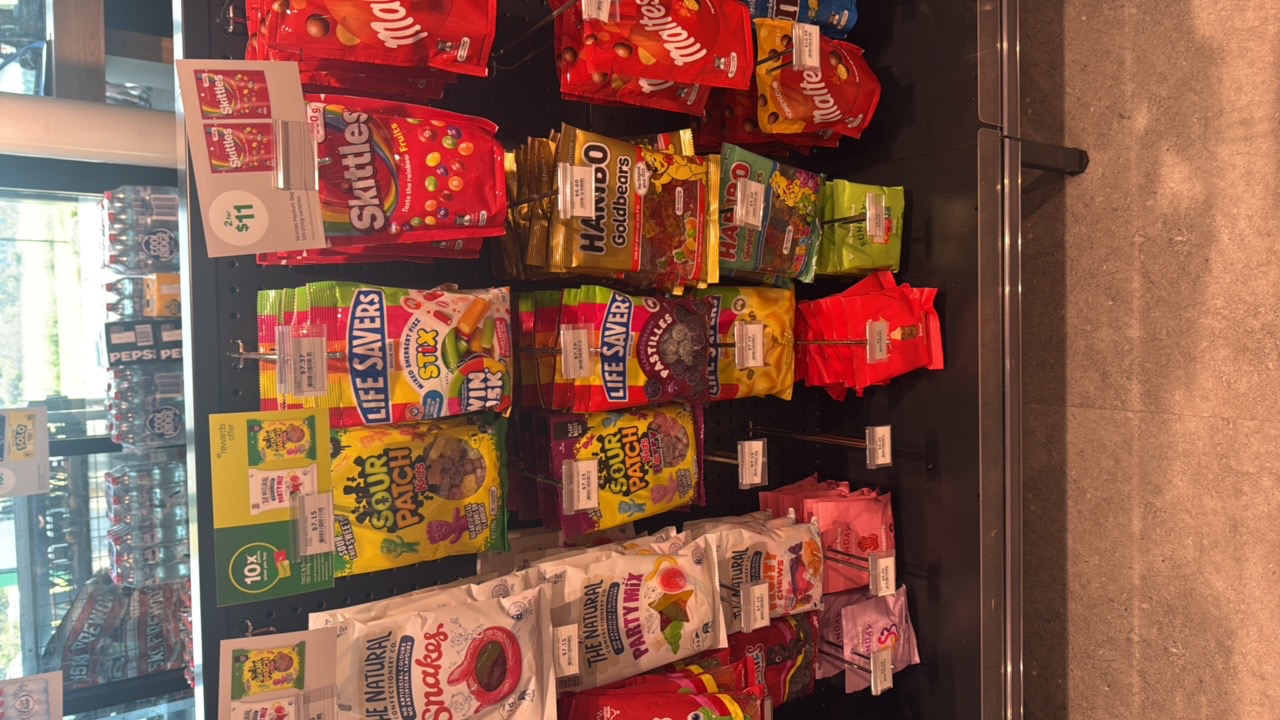
Haribo was founded in 1920 by Hans Riegel Sr. in Bonn, Germany — the company name is an acronym of HAns RIegel BOnn. Riegel invented the gummy bear (originally called 'Dancing Bear') in 1922, creating an entirely new confectionery category. The company survived World War II, with Hans Riegel Jr. and his brother Paul rebuilding the business from near-destruction. It has remained privately held by the Riegel family for over a century, with Hans Riegel Jr. running it until his death in 2013 at age 90. Today the company is controlled by the Riegel family heirs and operates factories across Europe, Turkey, and the United States.
There is no camouflage here. Haribo actively promotes its German heritage, founder story, and family ownership in marketing globally. The brand's origin story is central to its identity rather than obscured.
Profits flow to the Riegel family in Germany via the HARIBO Holding GmbH & Co. KG structure. As a private family company, detailed financials aren't public, but revenues are estimated at over €3.5 billion annually. None of these profits stay in Australia.
Purchasing Haribo supports a German family-owned business rather than Australian confectioners. While not deceptive about this, every bag of Gold-Bears purchased represents money leaving the Australian economy for Bonn.
For Australian-made gummy alternatives, consider The Natural Confectionery Co. (though now owned by Mondelēz), or genuinely independent options like Fyna Foods (Melbourne-based, makes Wizz Fizz and other confectionery) or Candy Corner Australia for locally-made sweets.