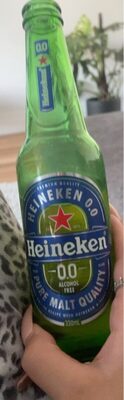
Gerard Adriaan Heineken purchased a brewery in Amsterdam in 1864 and built it into the Netherlands' largest brewer. The company pioneered scientific brewing methods and aggressive international expansion throughout the 20th century. Heineken N.V. remains controlled by the Heineken family through a holding company, L'Arche Green N.V., which owns approximately 50% of voting shares. In Australia, Heineken has been brewed under licence since the 1990s — first by Lion Nathan, now simply Lion, which is wholly owned by Japan's Kirin Holdings. The brand cultivates a premium European image globally while actual production happens locally, a common strategy for international beer giants.
Heineken doesn't actively hide its Dutch origins — the branding leans into it. However, Australian packaging rarely clarifies that Lion (Japanese-owned) brews it locally under licence, creating a confusing three-country ownership situation. Consumers buying 'Dutch' Heineken are funding both Dutch and Japanese multinationals.
Profits split between Heineken N.V. (Netherlands, via brand royalties and licensing fees) and Kirin Holdings (Japan, via Lion's manufacturing margin). Neither dollar stays in Australian hands. The Heineken family's holding company ultimately captures the brand premium.
Every Heineken purchased in Australia sends licensing fees to the Netherlands and manufacturing profits to Japan. Australian workers brew it, but ownership extraction happens twice over. Supporting this brand means supporting two overseas corporate structures rather than local brewing independence.
For genuinely Australian-owned lagers, try Coopers Premium Lager (SA family-owned since 1862), Stone & Wood Pacific Ale (Fermentum, Byron Bay — though now Lion-owned, so scratch that), or better yet, 4 Pines Brewing (actually also Asahi-owned now). Truly independent options include-Balter Brewing (Gold Coast, genuinely independent) or Hawkers Beer (Melbourne, independent).