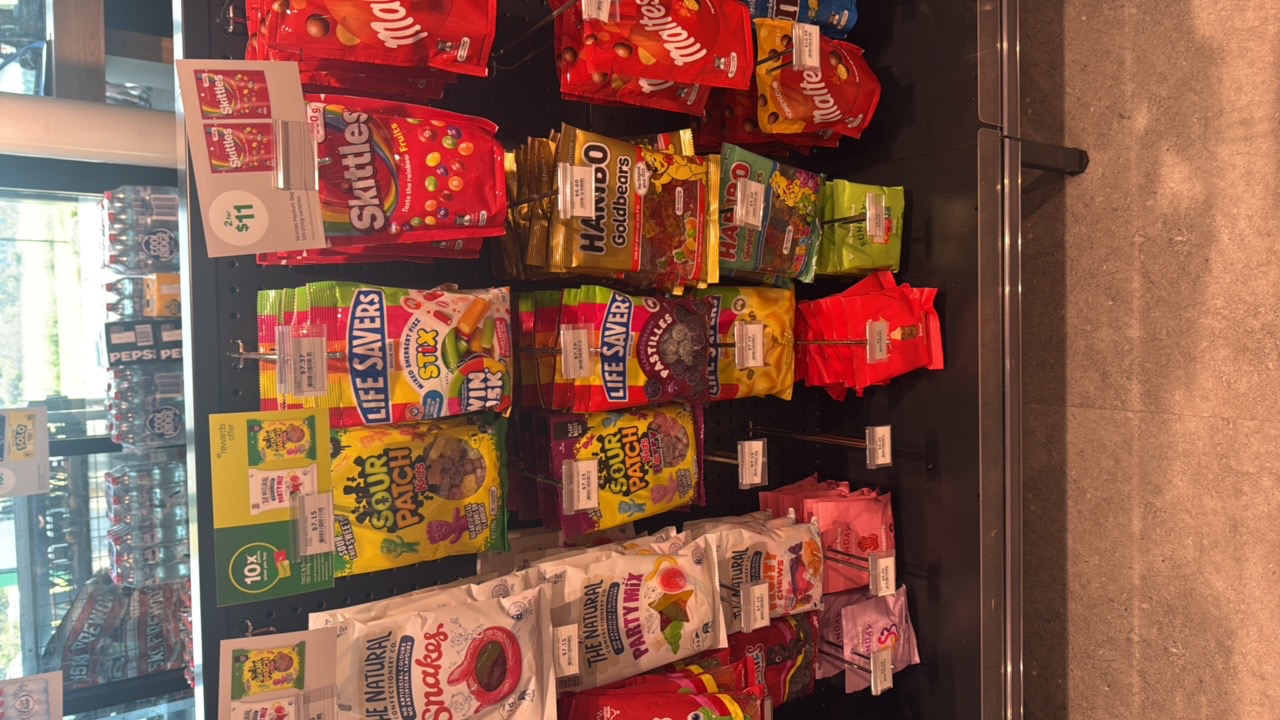
Skittles was created in Britain in 1974 and first manufactured commercially in 1979. The brand was introduced to North America in 1979 and quickly gained popularity with its distinctive fruit flavours and colourful appearance. In 1988, Mars, Incorporated acquired the Skittles brand, absorbing it into their vast confectionery empire alongside M&M's, Snickers, and Milky Way. Despite its playful, almost indie-style marketing, Skittles has been a Mars profit centre for over three decades. The brand's quirky advertising campaigns deliberately cultivate an irreverent, standalone image that obscures its multinational parentage.
Skittles packaging contains no visible Mars branding, and the brand's advertising maintains a carefully cultivated independent persona. Mars, a notoriously secretive family-owned corporation, benefits from this separation — consumers rarely connect their rainbow candy to the $45 billion confectionery giant.
All Skittles profits flow to Mars, Incorporated, headquartered in McLean, Virginia, USA. Mars remains privately held by the Mars family, making it one of the largest family-owned businesses in the world. Australian Skittles purchases contribute to American private wealth accumulation.
Every Skittles purchase supports a US multinational's supply chain and profit structure. Local Australian confectioners cannot compete with Mars's global manufacturing scale and marketing budgets. The economic benefit to Australia is limited to retail margins and distribution jobs.
For Australian-made sweets, consider Darrell Lea (now Australian-owned again), Nobbys confectionery products, or local artisan candy makers like Sticky in Sydney. The Natural Confectionery Company, despite its wholesome name, is also Mars-owned — choose carefully.