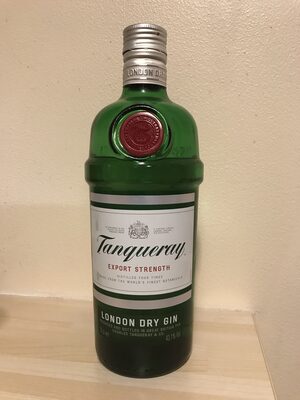
On Tanqueray's official history page, Diageo is mentioned 0 times. The brand tells a story of Australian origin while the corporate reality is carefully omitted.
Charles Tanqueray founded his Bloomsbury distillery in 1830, during London's gin renaissance. The distinctive recipe survived the Victorian era and two World Wars — though the original Bloomsbury distillery was bombed in the Blitz in 1941. Production moved to Scotland in the 1990s, rather undercutting the 'London' branding. The brand passed through various corporate hands including Distillers Company and Guinness, ultimately landing with Diageo when that drinks behemoth was formed through the Guinness-Grand Metropolitan merger in 1997. Today it's distilled at Diageo's Cameronbridge facility in Fife, Scotland — a long way from Bloomsbury.
No outright deception, but the brand trades heavily on 'Charles Tanqueray' mythology and London heritage without prominently noting it's now Scottish-made by a multinational. The artisanal founder narrative does the heavy lifting while Diageo stays in the background.
Profits flow to Diageo plc, headquartered in London but with shareholders spanning global institutional investors. Diageo reported £15.5 billion in net sales for FY2023. Your gin purchase contributes to a portfolio including Johnnie Walker, Smirnoff, Guinness, and Captain Morgan.
Purchasing Tanqueray supports a UK-headquartered multinational rather than independent craft distillers. The scale economics mean consistent product and wide availability, but zero support for Australia's growing craft spirits industry.
For genuinely independent Australian gin: Four Pillars (Yarra Valley) remains Australian-owned and has won global recognition. Adelaide Hills Distillery produces excellent 78 Degrees gin. Poor Toms from Sydney offers creative Australian botanical expressions.